The Forge Ore Traits Guide: Effects, Activation & Best Uses
The Forge ore traits are passive effects that can change how a weapon, armor piece, or flexible build performs. This guide explains the difference between Weapon, Armor, All, and no-trait ores, how much recipe share to reserve, and how to test a trait without wasting rare materials.
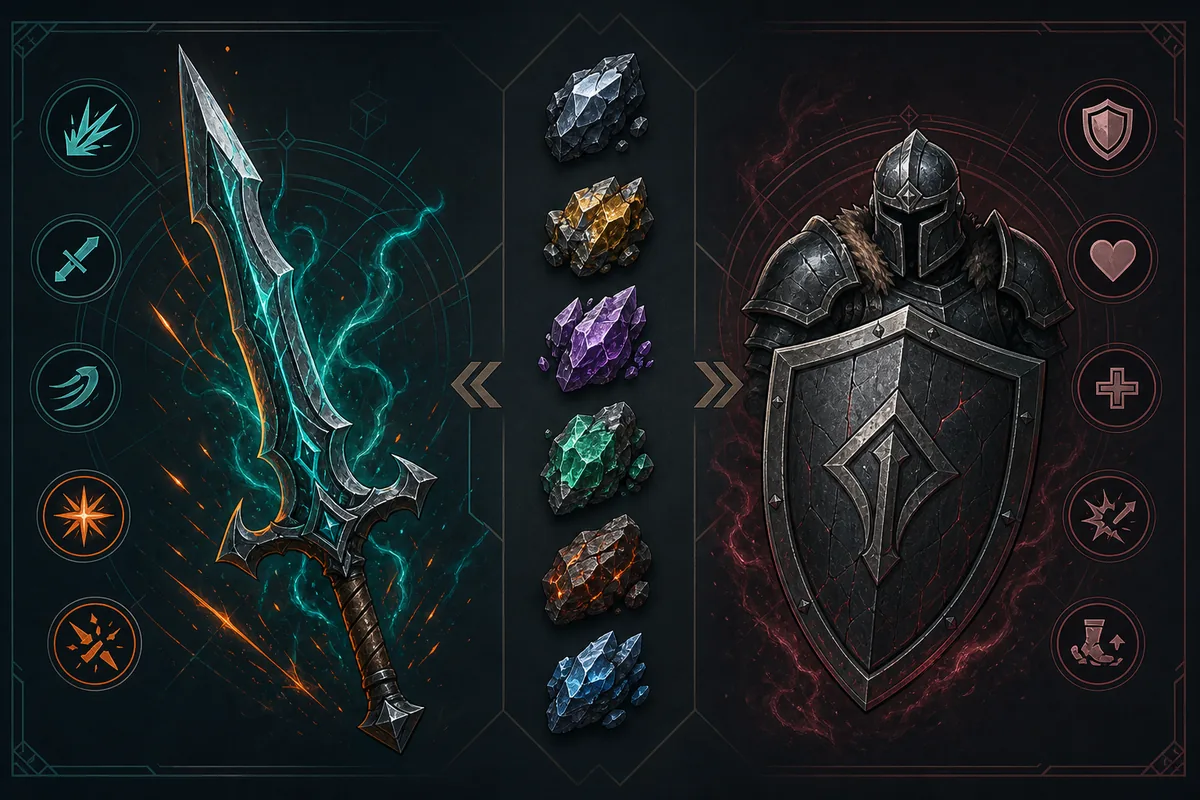
Editorial illustration for this guide. It is an explanatory visual, not an official Roblox screenshot.
Quick answer: what do The Forge ore traits do?
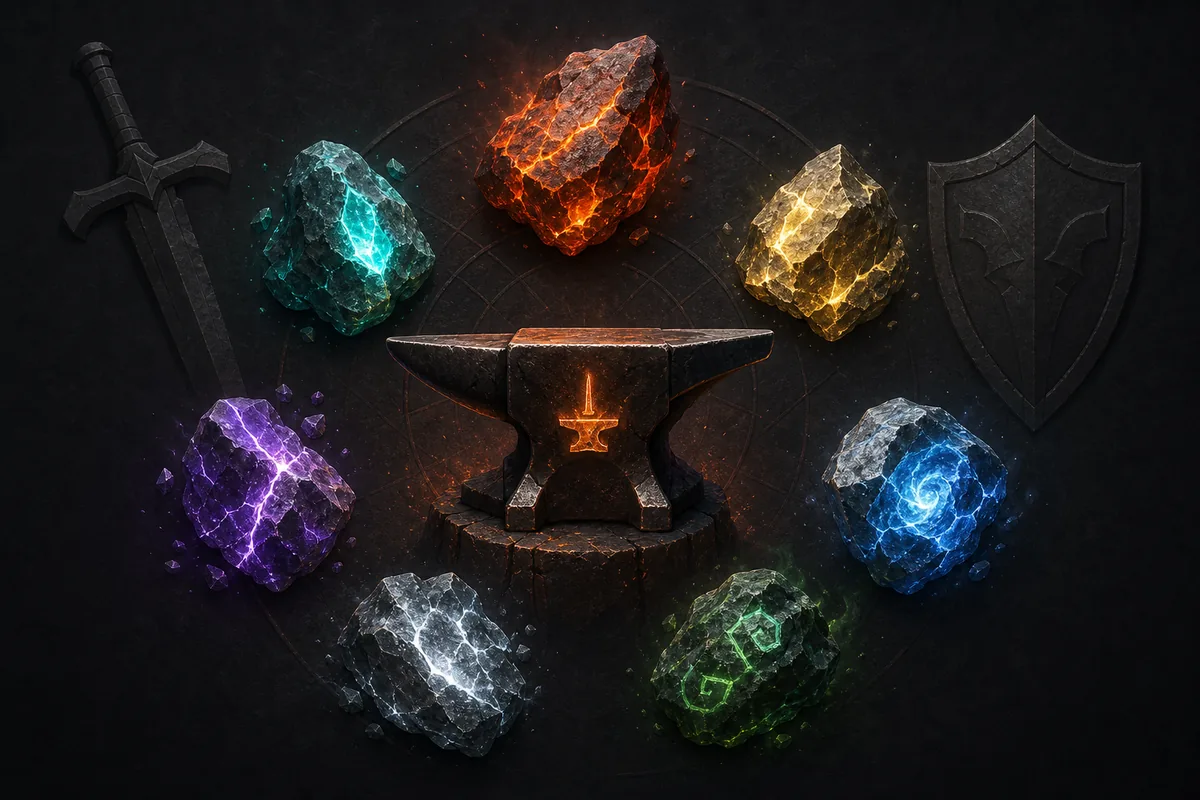
An ore trait is a passive effect category attached to some ores. Weapon traits are meant for offensive equipment, Armor traits support defensive equipment, and All traits are the flexible option when the same mix may be used for more than one item type. Ores with no trait are still useful because they can raise the average multiplier without forcing an effect that does not match your goal.
The safest rule is to choose the build first, reserve enough share for the trait source, then compare the complete mix in the calculator. A high-multiplier ore is not automatically better than a lower-multiplier trait ore, and a trait is not useful if the finished recipe cannot reach the item class you want. Public guides commonly describe a 10% minimum and stronger results around 30%; treat those values as planning guidance and verify the live game after updates.
4
Trait decisions covered
10%+
Share to test first
Weapon / Armor
Main build split
1 mix
Always test the full recipe
How ore traits and multipliers work together
Treat a trait and a multiplier as two separate decisions. The trait answers what the equipment should do; the multiplier helps determine which item outcomes the recipe can reach. Strong planning keeps both visible instead of chasing one impressive number.
Weapon traits
Use Weapon-oriented ores when the target is damage, critical pressure, attack speed, or another offensive effect. Rivalite, Fireite, Magmaite, Snowite, Iceite, Stolen Heart, and Gargantuan are useful examples from the site's ore data, but the final mix still decides whether the result is worth the cost.
Armor traits
Armor-oriented ores belong in defensive recipes where health, defense, mobility, or survivability matters. Obsidian, Uranium, Mythril, Aetherit, Velchire, Sanctis, Demonite, and Darkryte should be compared with enough clean multiplier support to keep the armor target realistic.
All or no trait
All traits are useful for flexible builds, while no-trait ores are often the cleanest way to raise recipe strength. Eye Ore, Frost Fossil, and Poopite illustrate flexible trait slots; Aquajade, Diamond, and Heavenite illustrate why a multiplier-only ore can still be the right choice.
The Forge ore traits and best uses
The table below is a decision aid, not a promise of a fixed drop result. Names, values, and availability can change with Roblox updates, so use the current ore list and calculator before spending a rare material.
Representative ores
Trait type
What it helps
Best for
Decision note
Rivalite, Fireite, Magmaite
Weapon
Offensive trait direction and higher weapon-focused pressure.
Damage and combat builds
Keep enough share for the passive, then add multiplier support.
Obsidian, Uranium, Mythril
Armor
Defensive trait direction for health, defense, or safer progression.
Tank and boss-survival builds
Do not sacrifice the armor target just to keep a mismatched trait.
Eye Ore, Frost Fossil, Poopite
All
A flexible trait category that can fit more than one equipment type.
Hybrid or experimental mixes
Use when flexibility is valuable; compare it with a cleaner multiplier recipe.
Aquajade, Diamond, Heavenite
No trait
Raw multiplier support without adding a passive requirement.
Item-tier and probability tests
Prefer it when the build already has the effect it needs.
Weapon traits vs Armor traits: choose by the finished item
The most common mistake is reading an ore's rarity before deciding what the finished equipment must do. Start with the item class, then choose the trait family that improves that job. The visual below is a simplified editorial comparison; it is not a game UI or an official screenshot.
A visual reminder: weapon traits and armor traits solve different problems, while the ore mix still controls the final outcome.
For a weapon
Pick a weapon class and a realistic damage goal first. A weapon trait can be valuable when it supports repeated combat, but the mix also needs enough multiplier to reach the class. Test the trait source with two or three support combinations instead of copying one expensive recipe.
For armor
Choose the survival problem you are trying to solve: low health, incoming physical damage, slow movement, or boss consistency. Armor traits should be tested with a recipe that can still produce the intended armor tier. A defensive effect on the wrong item is not a successful craft.
For a hybrid plan
All traits are attractive when you are still deciding between weapon and armor, but flexibility has an opportunity cost. Compare an All-trait mix with a specialized mix and keep the version that improves the activity you actually play most.
A safe ore-trait testing workflow
Use this five-step process whenever you want to test a new passive. It keeps the trait decision separate from the excitement of a rare ore and makes failed experiments easier to diagnose.
Choose the finished item or weapon class before selecting the ore.
Pick one trait source that matches the job; do not stack unrelated effects by default.
Reserve enough recipe share to make the trait worth testing, starting at the calculator's 10% planning threshold.
Add clean multiplier support and compare at least two complete mixes, including fallback outcomes.
Spend the rare ore only when the target result and the acceptable fallback are both useful to your inventory plan.
Use the calculator as the final check
The ore table explains what each material is meant to contribute, but the calculator evaluates the entire mix. Enter the ores you actually own, compare areas and counts, and keep a cheaper test recipe before committing a Peak or end-game ore.
These examples show how to think about a trait; they are not guaranteed recipes. The right choice changes with your inventory, item target, forge area, and current game balance.
Rivalite for a weapon path
Use Rivalite as the trait anchor when you are testing an offensive recipe, then add support ores that can reach the weapon class. If the trait lowers the chance of a useful fallback, compare it with a no-trait high-multiplier mix before crafting.
Obsidian for an armor path
Obsidian is a practical armor-trait example because it can be compared with Uranium or Mythril in defensive mixes. Keep the armor goal visible and do not let a high rarity label hide a weak recipe outcome.
Aquajade for multiplier support
Aquajade has no trait in the site's current calculator data, but its 9x multiplier can make it useful in a mix that already has the passive effect covered. This is the classic case where no trait is the correct decision.
Eye Ore for flexibility
Eye Ore is an All-mode example for players testing more than one equipment direction. Use it when the flexibility matters, then compare its result with a specialized Weapon or Armor trait that may be stronger for one clear goal.
Continue planning with these Forge pages
The ore-traits page explains the decision. Use the linked pages for the full ore table, item-specific recipes, and equipment systems that determine whether the trait is worth your materials.
Ore traits are passive effect categories attached to some ores. The main planning labels are Weapon, Armor, and All. Other ores have no trait and are generally used for multiplier support.
How much ore share is needed for a trait?
Use 10% of the recipe as the first planning threshold in the calculator. Public guides often describe stronger or full trait behavior around 30%, but live values can change, so test the exact mix after updates instead of treating one number as permanent.
Can I mix Weapon and Armor traits?
You can test multiple trait sources, but they may compete for recipe share and may not improve the same finished item. Compare a specialized mix, an All-trait mix, and a no-trait multiplier mix before spending rare ores.
What is the best ore trait in The Forge?
There is no single best trait for every build. Weapon traits suit combat damage, Armor traits suit survivability, All traits suit flexible testing, and no-trait ores can be best when your recipe only needs more multiplier.
Are high-multiplier ores always better?
No. A high multiplier can help reach an item tier, but it does not replace a passive effect that your build needs. The best choice is the full recipe with the most useful target and fallback outcomes.
Should I use the ore list or the calculator first?
Use the ore list to narrow the trait and multiplier options, then use the calculator before crafting. The calculator is the place to compare the complete mix, item odds, area, count, and resource cost.
Sources and update notes
This page combines the site's calculator data with public The Forge references checked on August 2, 2026. Community guides are useful for terminology and examples, but Roblox updates can change values, drops, and trait behavior.
The Forge community wiki — Ores — Community reference for ore names, trait categories, and current terminology; not an official Roblox source.
The Forge on Roblox — Official Roblox discovery page for checking the live experience and update context.
Test the trait before you spend the ore
Choose the build, reserve the trait share, compare the whole recipe, and keep a fallback that still helps your progression. That workflow is more reliable than chasing the rarest ore name alone.
 Rivalite, Fireite, Magmaite
 Obsidian, Uranium, Mythril
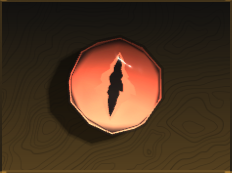 Eye Ore, Frost Fossil, Poopite
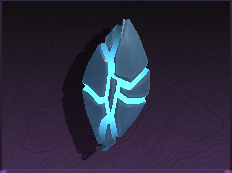 Aquajade, Diamond, Heavenite