Early-game defense
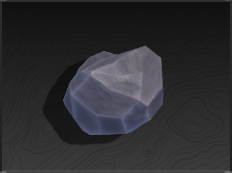
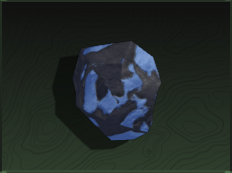
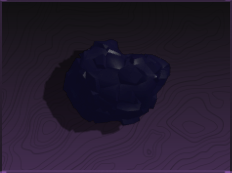
Keep the base inexpensive and use one defensive trait check when possible. This path is for players who need a safer farming set without sacrificing every rare ore.
budgetfirst armor traitsafe fallback
The best armor ore mix in The Forge depends on your world, your survival problem, and the fallback gear you can accept. Use this guide to shortlist defensive trait ores, add enough multiplier support, and check the result in the calculator before spending rare materials.
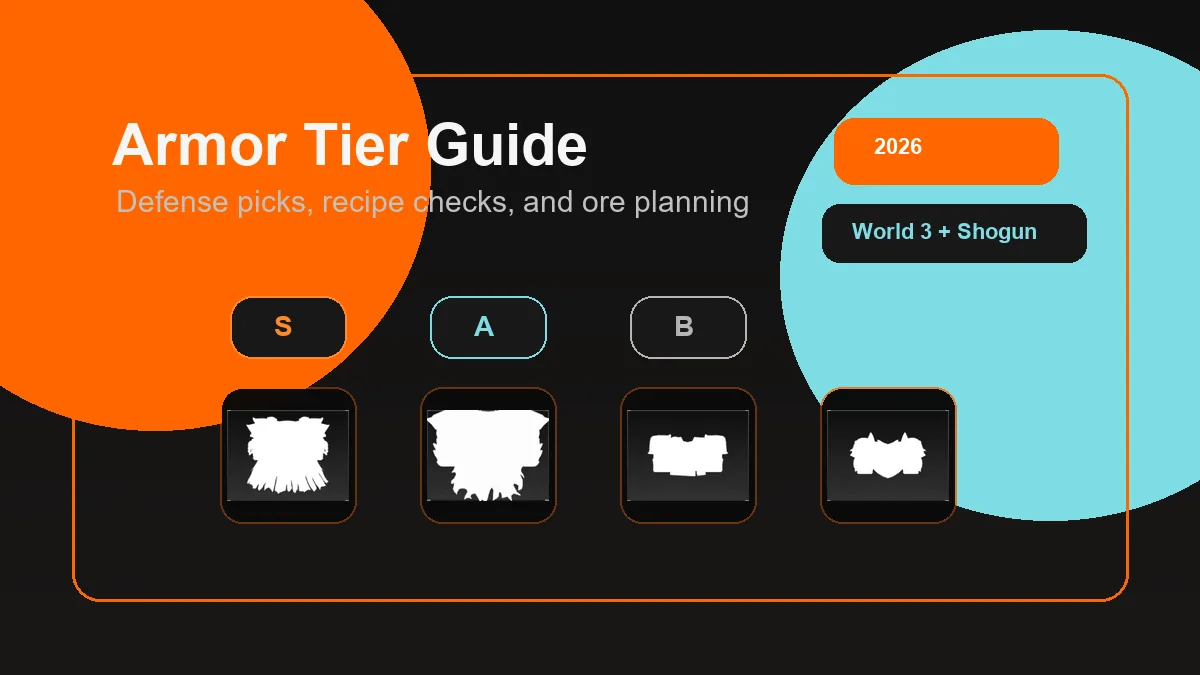
For early progression, start with a cheap multiplier base and one armor-oriented ore when you can afford it. Obsidian is a useful first defensive check because it appears early in the site's armor-trait table. For World 2 and World 3, compare Obsidian, Uranium, Mythril, Pumice, Aetherit, Velchire, and other armor-trait options against the armor family you actually want.
Do not treat the rarest ore as an automatic best choice. A good armor mix creates several useful outcomes, keeps a wearable fallback, and solves a real problem such as boss survival or entering a harder world. Use the calculator to compare the expensive mix with a cheaper version before crafting.
These are planning paths, not guaranteed recipes. Replace any ore you do not own, preserve the goal of the mix, and verify the current result in the calculator.
Keep the base inexpensive and use one defensive trait check when possible. This path is for players who need a safer farming set without sacrificing every rare ore.
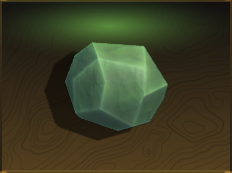
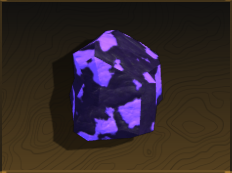
Use this as a comparison set when starter armor stops giving enough room for mistakes. Test a cheaper Obsidian-led mix before committing to a Mythril-heavy attempt.
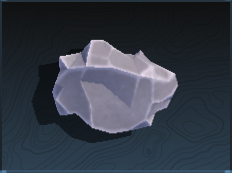
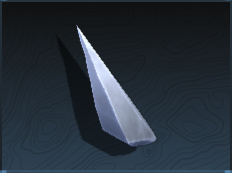
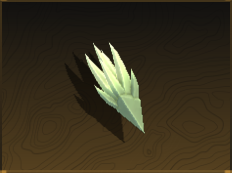
When harder enemies are the bottleneck, prioritize armor-oriented support and a strong fallback range. Aetherit is also worth checking through its dedicated location guide before you plan the mix.


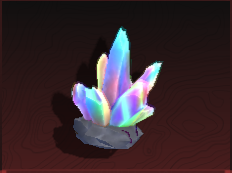
Only use premium defensive ores after the calculator shows more than one useful outcome. The point of a late-game attempt is dependable survival value, not a screenshot-worthy jackpot with no fallback.
Armor-trait labels help steer the result, but the multiplier range still matters. Treat the trait as a direction and the multiplier as the control that keeps the mix inside a useful armor band.
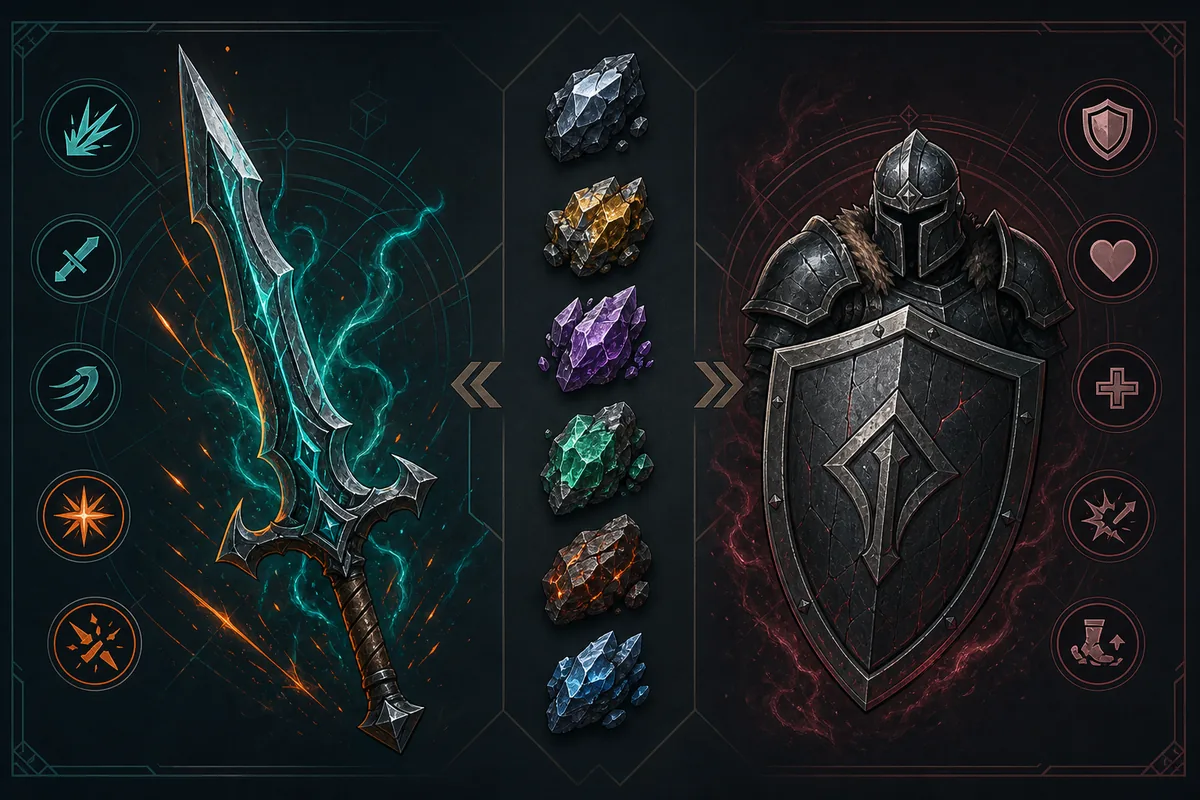
A defensive ore is valuable when it improves the armor outcomes you can realistically use. If the mix reaches a strong armor family but has no acceptable fallback, it may be worse for progression than a cheaper blend with several medium outcomes.
For World 3 searches, start from the survival target rather than a named ore. Decide whether you need a heavy set, a boss-safe upgrade, or simply a higher floor for farming. Then compare a trait-led mix with a multiplier-led fallback and keep the one that protects your next upgrade.
| Stage | Main goal | First check | Support rule | Avoid when |
|---|---|---|---|---|
| Early | Stop losing fights to basic enemies | Cheap base plus Obsidian if affordable | Keep one wearable medium fallback | The attempt consumes all future upgrade ores |
| World 2 | Move beyond starter armor | Obsidian, Uranium, or Mythril comparison | Raise multiplier without losing defensive direction | Only one rare result is acceptable |
| World 3 | Survive harder enemies and bosses | Pumice, Aetherit, Velchire, or another armor-trait option | Test the strong mix beside a cheaper fallback | You cannot replace the premium ores |
| Late game | Chase durable premium gear | Duranite, Heart Of The Island, or Etherealite | Require several useful outcomes before crafting | The mix is copied from an old update |
Use this process for every new armor recipe, video tip, or community suggestion. It keeps the guide useful when ore values or item tables change.
This shortlist is a starting point from the site's ore table. Values and traits are update-sensitive; use the linked ore index and calculator for the current mix.
| Ore | Multiplier | Trait | Best when | Planning note |
|---|---|---|---|---|
| Obsidian |
2.35x | Armor | Early to mid progression | Useful first defensive comparison before premium ores. |
| Pumice |
2.9x | Armor | Frostspire entry | Keeps a moderate multiplier while steering armor. |
| Aetherit |
3.4x | Armor | World 3 testing | Check the location guide before spending it in a mix. |
| Uranium |
3.0x | Armor | World 2 comparison | A defensive trait option with a useful mid multiplier. |
| Mythril |
3.5x | Armor | Stronger mid-game gear | Compare against cheaper defensive mixes first. |
 Lightite Lightite |
4.6x | Armor | High-value armor tests | Do not spend it if the fallback armor is unusable. |
 Darkryte Darkryte |
6.3x | Armor | Premium defensive target | Treat the high cost as a reason to compare alternatives. |
| Etherealite |
11.1x | Armor | Late-game ceiling | Reserve for a calculator-confirmed multi-outcome attempt. |
Test the full ore mix, compare a premium version with a fallback, and inspect the current result before crafting.
Open the calculatorCheck every ore multiplier, rarity, area, and trait before swapping a material into your armor plan.
Browse all oresReview how Armor, Weapon, All, and no-trait materials change the direction of a recipe.
Read the trait guideMove from ore selection to armor recipe goals and fallback rules when you are ready to test a craft.
Plan armor recipesChoose the armor target first so your ore mix solves a real progression problem.
Compare armor tiersUse the dedicated Aetherit page for its location and farming context before putting it in a premium mix.
Check AetheritThe page uses the site's current ore table and conservative planning language. External guides are useful for naming and progression context, but the calculator remains the final check because Roblox The Forge can change.
There is no single permanent best ore. Start with an armor-oriented option that fits your world and budget, then compare its useful outcomes with a cheaper fallback in the calculator. Obsidian, Uranium, Mythril, Pumice, Aetherit, Velchire, Lightite, Darkryte, Duranite, Heart Of The Island, and Etherealite are reasonable first checks from the site's current armor-oriented ore table.
For World 3 planning, compare armor-trait choices such as Pumice, Aetherit, Velchire, Sanctis, Duranite, Heart Of The Island, and Etherealite with enough multiplier support to reach your target armor family. The right choice depends on which fallback items you can use and how many premium ores you can replace.
Use a cheap base and test one accessible armor-trait ore rather than spending your entire inventory on a rare attempt. Obsidian is a practical first comparison in the site's table, but the best early option is the mix that improves survivability without delaying your next upgrade.
Usually no. A mix built from every available ore can waste valuable materials and still produce an unusable result. Define the armor goal, make a cheaper comparison version, and keep enough materials for weapons, pickaxes, or a second attempt.
Aetherit is listed as an armor-oriented ore in the site's current Frostspire data, so it is worth testing for a World 3 defensive plan. Check its dedicated location guide and then use the calculator to confirm that the resulting armor range justifies the ore cost.
Use the calculator to compare the defensive mix you want with the cheaper fallback you can actually afford. That extra check is more reliable than copying a single rare-ore recipe from an older update.